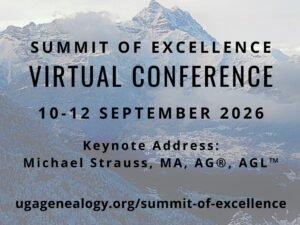
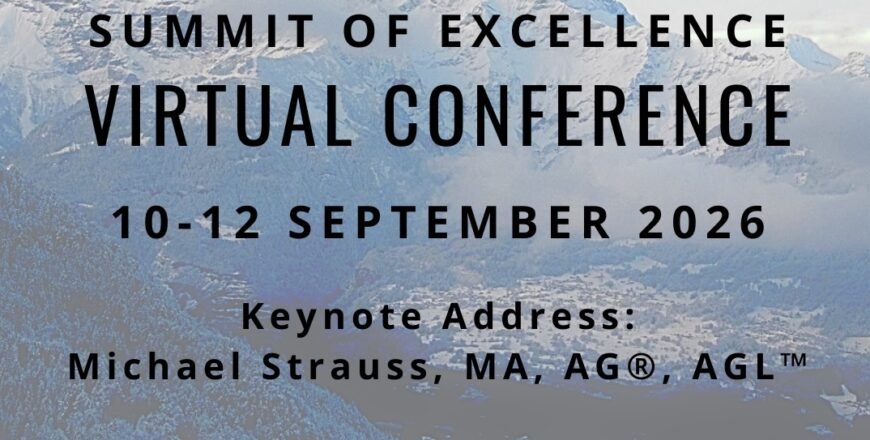
Summit of Excellence 2026

- Description
UGA’s Summit of Excellence is an annual event to help genealogy enthusiasts improve their research skills and knowledge. The three-day virtual conference includes a variety of presentations and workshops for all experience levels. The conference begins with a “Getting Started Day,” with a focus on genealogy basics. In the following days, participants can explore more advanced topics through themed tracks like “Records” and “International,” with multiple expert-led sessions happening at the same time. This format lets attendees choose sessions that match their interests. And if participants are interested in more than one session during a time slot, recordings of the sessions will be available for later viewing. The Summit of Excellence is dedicated to offering educational resources to help participants sharpen their genealogical research skills. This listing is for the full conference.
Looking for the free Getting Started Day? Click here.
Listed times are Mountain Time.
Thursday, September 10th
9:00 a.m. Starting Your Family Tree: First Steps for Successful Genealogy Research by Alina Khuda
10:30 a.m. Bringing Your Ancestors to Life: Going Beyond the Facts by Karen A. Fortin
12:00 p.m. What Did You Just Find? Evaluating Sources and Evidence with Confidence by Cheri Hudson Passey
1:30 p.m. Organizing Your Digital Files-Apps and Tips for Your Phone & Laptop by Cynthia K Patton
3:00 p.m. Cousins, Clusters, and Chromosomes: Making Sense of Your DNA Matches by Paula Williams
6:00 p.m. Forging a National Army: From the Colonial Era to the Early Republic, 1750-1800 by Michael L. Strauss, MA, AG, AGL
Friday, September 11 2026
9:00 am DNA Painter Basics: Strategies to Enhance Your Genealogical Research by Adina Newman (DNA Track)
Strapped for cash: Records of Poor Ancestors and the Stories They Tell by Pam Vestal (Records Track)
10:30 am A Refuge of Last Resort: Researching Irish Workhouse Records by David Ryan (International Track)
Year by Year: Reconstructing Families with City Directories by Kate Townsend (Records Track)
12:00 pm Are You My Mother? DNA for Unknown Parentage by Kate Penney Howard (DNA Track)
COLD CASE: An Investigative Protocol for Genealogical Brick Walls by Diane Henriks (Records Track)
1:30 pm Prisoner of War Camps in Utah during WWII by Kathy Kirkpatrick (Military Track)
The Why, Where, When, What And How Of Lineage & Hereditary Societies by Christine Cohen (Records Track)
3:00 pm Two Names, One Assumed Man: Untangling Identity in Post-Emancipation African American Research by Kelly Richardson (Ethnic Track)
The Records That Reveal Her: Dower, Taxes, Land & Law by Larry W. Thomas (Records Track)
Saturday, September 12, 2026
9:00 am Testing Family Legends: When Oral History Meets the Archive by Sue McNelly (Writing Track)
Creating Your Own Genealogy Assistant – Building Custom Reusable GPT’s for Genealogy by Natalie Webb (Technology Track)
10:30 am From Cluttered to Command: Mastering Digital File Organization for Genealogists by Linda Debe (Technology Track)
What the Law Put Asunder: Divorce in America by Sara Cochran (Records Track)
12:00 pm Norwegian Farm Books: A Genealogical Gold Mine by Torhild Shirley (International Track)
Sharing Your Family with Your Family by Allyson Maughan (Writing Track)
1:30 pm DNA Analysis Co-Pilot: Using AI to Group Matches and Test Hypotheses by Carol Genung (DNA Track)
The Envelope Please: Finding Family in the Post by Jean Wilcox Hibben (Records Track)
3:00 pm Reconstructing the WWI American Soldier’s World: Genealogy Meets The Great War by Edward Swierczewski (Military Track)
Grounded in History: Putting Ancestors in Place with U.S. Land Records by Amy Rose Ward (Records Track)
Starting Your Family Tree: First Steps for Successful Genealogy Research
Presented By: Alina Khuda on September 10, 2026 9:00 am
This beginner session introduces the essential first steps in genealogy research. Participants will learn how to start with family knowledge, organize information, choose reliable online resources, and avoid common mistakes. The presentation explains how to move from home sources to historical records and build a clear research plan. Attendees will leave with practical strategies and confidence to begin tracing their family history.
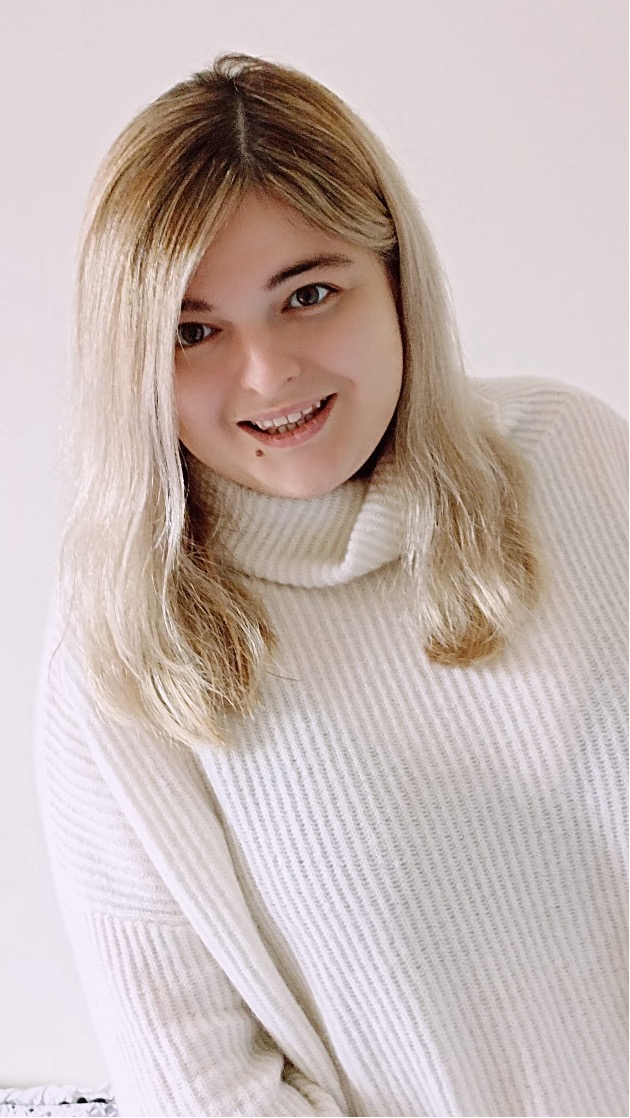
Alina Khuda is a professional genealogist, forensic researcher, and international speaker specializing in Eastern European records and complex legal research. She holds BA (Hons) and MA (Hons) degrees in Social Studies and Politics and has worked in the field of probate, court, and forensic genealogy since 2015. In 2016, she founded Khuda Genealogical Services, where she leads a large team of onsite researchers working across Europe and beyond. Her work frequently supports courts, attorneys, trustees, and private clients in identifying heirs, tracing unknown relatives, and locating historical documentation. Alina is recognized for her expertise in Eastern European genealogical sources, including Jewish Galician, Orthodox, Greek Catholic, Old Believer, Lutheran, and Mennonite records. She has contributed research for government and non-government organizations and has served as a genealogy expert in criminal and probate cases in the United States. In addition to client work, she has experience in journalism and education, serving as a course editor and lecturer for genealogical training programs. An active member of the Association of Professional Genealogists and other professional organizations, Alina presents internationally on methodology, archives, and Eastern European research strategies. Her work focuses on bridging historical records, legal documentation, and migration history to help families and institutions reconstruct connections across borders and generations.
Return to Top
Bringing Your Ancestors to Life: Going Beyond the Facts
Presented By: Karen A. Fortin on September 10, 2026 10:30 am
Using a case study approach, this presentation will explore how you can use traditional resources such as vital records, census records, land records, and newspapers to uncover more about the lives, experiences, and even personalities of your ancestors.
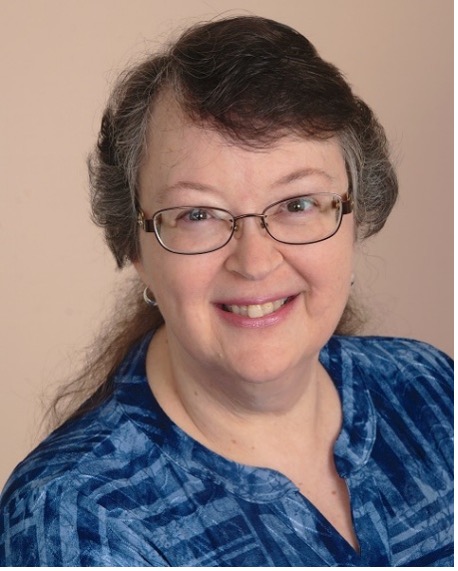
Karen A. Fortin has degrees in history and library and information science and a passion for research. She worked in public libraries for over 30 years before starting her genealogical business in 2016. She is a member of various local, state, and national genealogical societies, the Association of Professional Genealogists, and the Genealogical Speakers Guild. She loves to help people explore their family history so that they can better understand their ancestors and the world in which they lived.
Return to Top
What Did You Just Find? Evaluating Sources and Evidence with Confidence
Presented By: Cheri Hudson Passey on September 10, 2026 12:00 pm
You found a record. Great! But does it really say what you think it says, and does it fit your ancestor? This session shows how to take an honest look at exciting finds, sort out what is solid, what feels shaky, and what needs more digging. Learn practical ways to evaluate sources and evidence so you can avoid chasing the wrong people and build your family tree with confidence.
Cheri Hudson Passey is a professional genealogist, instructor, writer, speaker, and owner of Carolina Girl Genealogy, LLC. She hosts the YouTube genealogy chat show GenFriends and is a genealogical researcher subcontracted by Eagle Investigative Services, Inc., for the US Army Past Conflict Repatriations Branch. She is involved in numerous genealogy societies and organizations and serves on the board of the National Genealogical Society. Cheri writes the blog “Carolina Girl Genealogy,” sharing her genealogy tips, methodologies, family stories, and research adventures, and is the author of “Genealogy in Reverse: Finding the Living. A Practical Guide for All Genealogists.
Return to Top
Organizing Your Digital Files-Apps and Tips for Your Phone & Laptop
Presented By: Cynthia K Patton on September 10, 2026 1:30 pm
Having trouble finding that death certificate for Grandpa Johnson on your laptop? Can’t remember if you have a copy of a tombstone photo you took last week on your phone? Digital files are wonderful—but naming, filing, organizing, and searching for them can be daunting. Whether you use your smart phone or laptop/tablet there are a multitude of apps and programs to make your genealogy research easier. There are applications to scan, decipher, translate, enhance and restore photos, and even take notes. Using your phone’s GPS can help you locate and preserve information about ancestor grave sites. Using the 3 C’s – color, consistency, and naming conventions along with your new arsenal of apps—you will learn how to tackle the tasks and regain control of your digital files. We will explore cloud storage options, redundant backups, and provide many examples of best practices in organization.
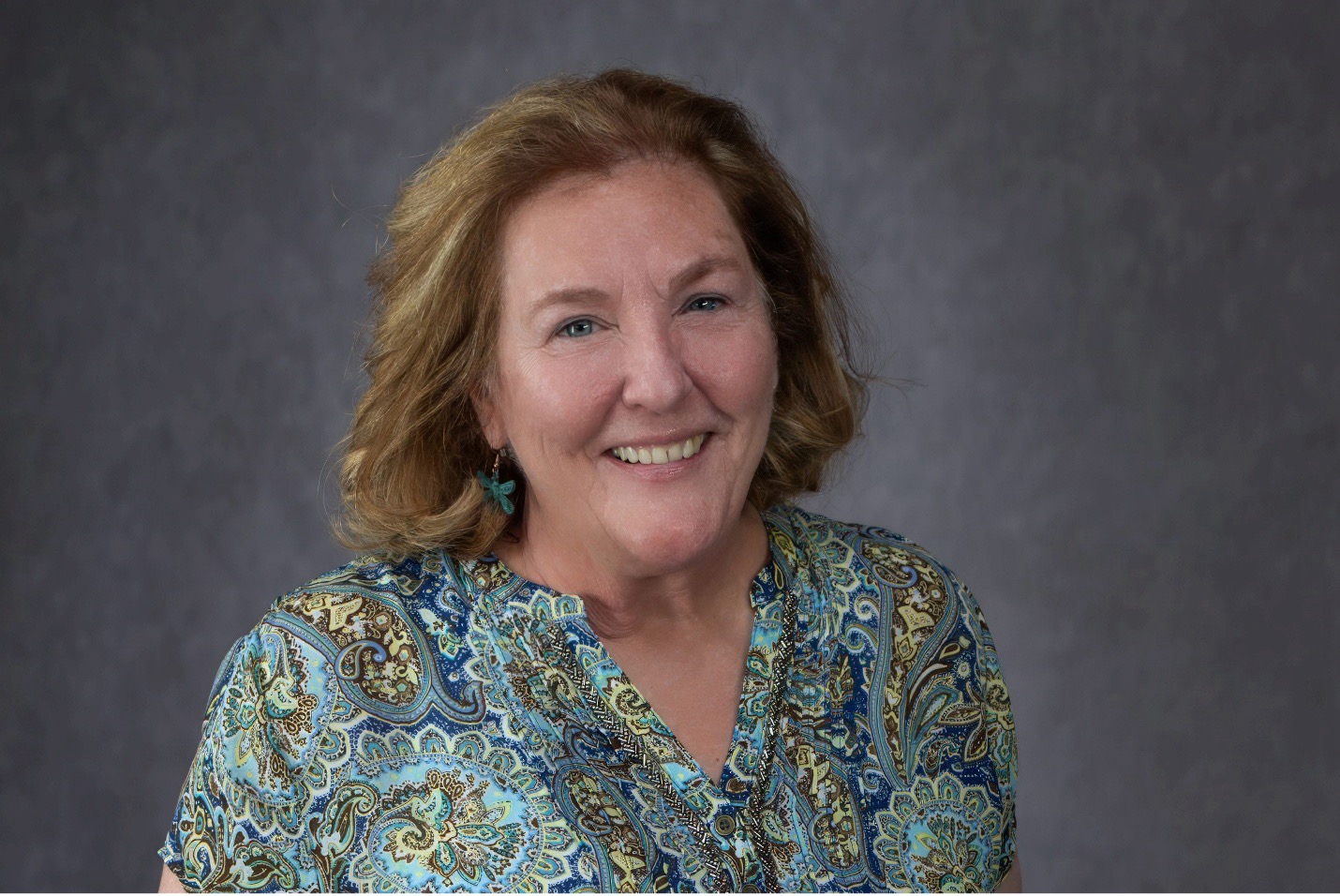
Cynthia Keefer Patton is a professional genealogist from Kansas City, Missouri, a member of the Heartland Chapter of the Association of Professional Genealogists (APG), and Registrar for the White Alloe Chapter, DAR. She is a BU Certification Program graduate. Cynthia retired from the US Army and has degrees in both Journalism and Political Science. She has presented for numerous historical, genealogical, and civic organizations and focuses on lineage society and military research, organization, and time management for genealogists.
Return to Top
Cousins, Clusters, and Chromosomes: Making Sense of Your DNA Matches
Presented By: Paula Williams on September 10, 2026 3:00 pm
Among our many DNA matches are puzzles, gems, and a lot of confusion. We’ll talk about ways to work through our matches and learn more about them and how they can help our family history.
Paula is a professional genealogist who has been researching for more than two decades in primarily southern US states and has been using DNA to solve problems for more than a decade. She has studied at IGHR, SLIG, GRIP, and the Genealogical Institute on Federal Records (Gen-Fed). In addition, she’s a board member of the Virginia Genealogical Society and of the Genealogical Research Institute of Virginia (GRIVA) and is the facilitator for the latter’s DNA Special Interest Group. She has taught at the IGHR and GRIP institutes and has lectured for Legacy Family Tree Webinars, RootsTech, the East Coast Genetic Genealogy Conference, and for the National Genealogical Society conference, among other organizations. She also serves as the Virtual Tech Coordinator for the GRIP Genealogy Institute.
Return to Top
Keynote Speaker
Forging a National Army: From the Colonial Era to the Early Republic, 1750-1800
Presented By: Michael L. Strauss, MA, AG, AGL on September 10, 2026 6:00 pm
Building a cohesive national army was one of the era’s defining challenges, and the solution took decades to emerge. Colonial militias, tested from King George’s War through the French and Indian War, remained localized, short-term forces without standardized training or command structure, ill-suited to sustained fighting. The Revolutionary War exposed those limits further: chronic shortages of supplies and money, a fragile transportation network, and reliance on short-term forces like the Flying Camp and Associators all strained the Continental Army even as it fought for survival. Peace brought little resolution: the new nation still needed a force it could trust in war and rely on in peace. The creation of the Levies Regiments answered that need, maintaining military readiness between wars and laying the groundwork for the formation of our regular standing army.
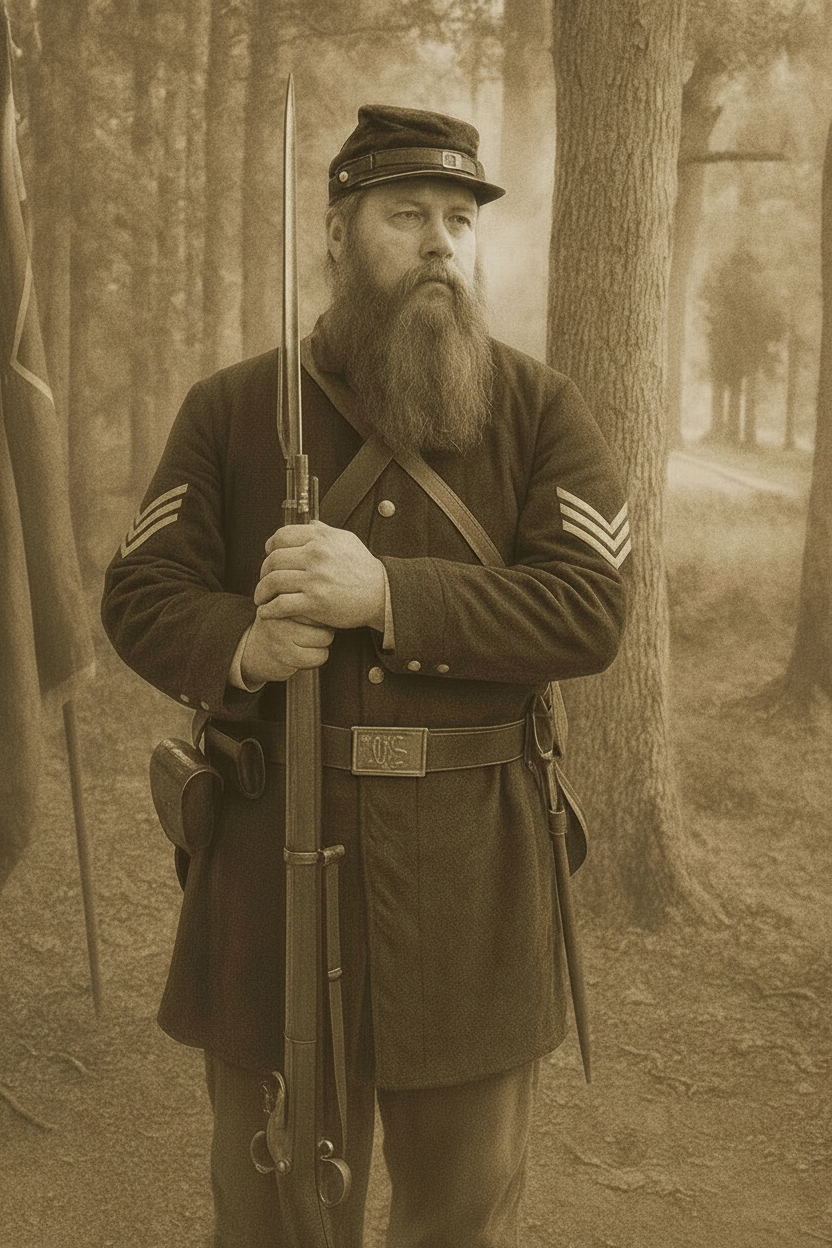
Michael L. Strauss, MA, AG, AGL, is a military historian and professional genealogist with over 30 years of experience. A United States Coast Guard veteran, he holds a BA in History (Civil War/19th Century) from Shepherd University and an MA in Military History from the University of Massachusetts Boston. As a forensic investigator, he is recognized as an expert witness in state courts across NY, NJ, PA, and VA. Michael is a national lecturer and published author specializing in military research, forensic methodology, and the American conflict experience.
Return to top
DNA Painter Basics: Strategies to Enhance Your Genealogical Research (DNA Track)
Presented By: Adina Newman on September 11, 2026 9:00 am
DNA Painter provides several tools to help you visualize, organize, and enhance your traditional and genetic genealogy research. This presentation will provide an overview of the various tools available at the DNA Painter site, including the Shared cM tool, What Are the Odds (WATO), ancestral trees, and chromosome mapping using real-life examples.
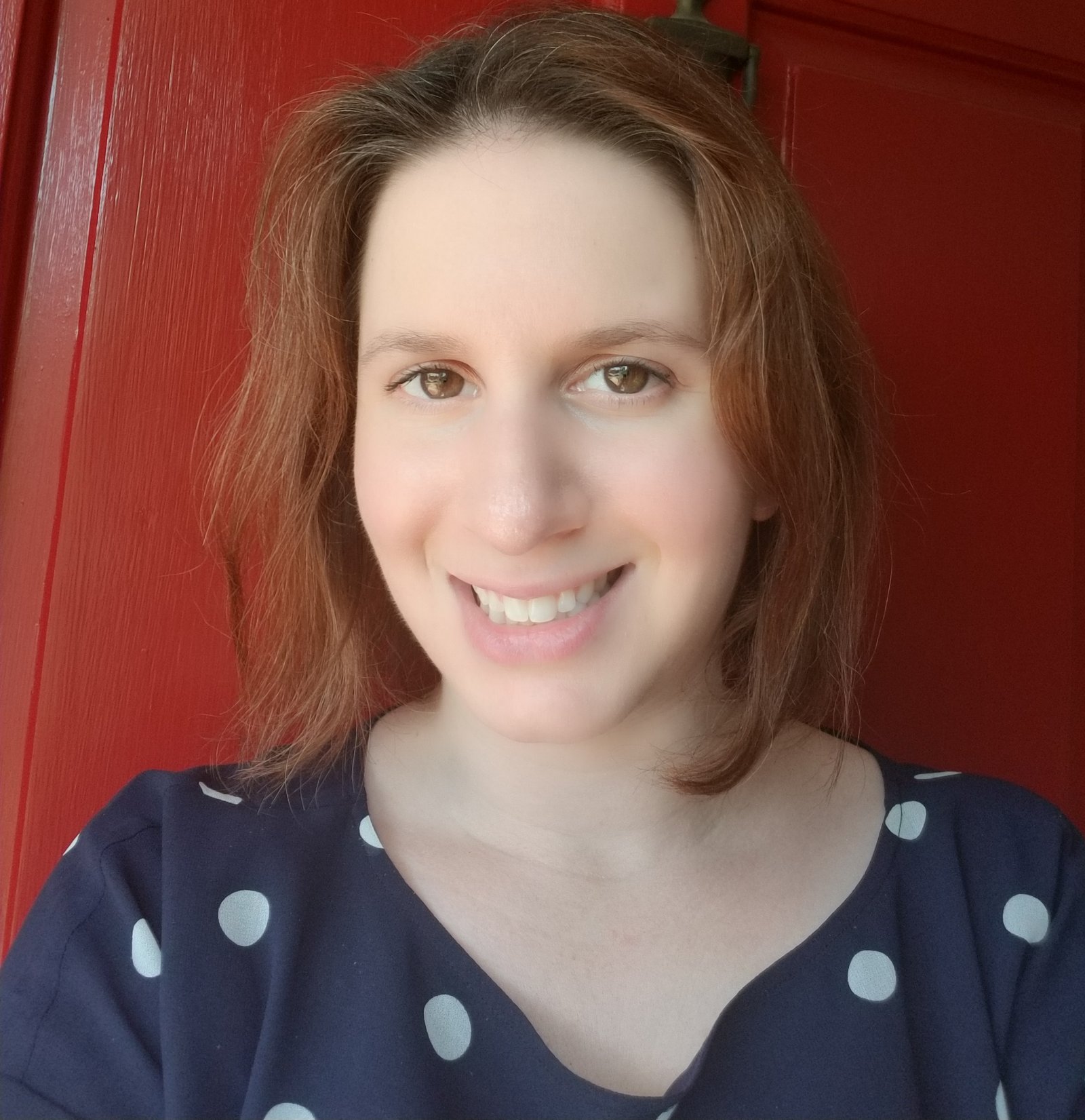
Dr. Adina Newman, EdD, the creator of My Family Genie, is a professional genealogist and educator. Her specialties include Jewish genealogy, genetic genealogy, social media, and New England, and she presents on these topics in a variety of venues, from major genealogy conferences to local genealogy societies. Her findings have received international media attention, such as mentions in The Daily Mail, Washington Post, AP News, TODAY, People, and The Times of Israel, and she has made appearances on several news outlets such as NPR and I24NEWS. She co-founded the Holocaust Reunion Project, a program to raise awareness about the potential of DNA testing within the Holocaust survivor community and provide survivors and their children with commercial DNA tests. She volunteers as a Team Lead for the DNA Doe Project, which uses investigative genetic genealogy to identify unidentified deceased persons and as a moderator for a popular Jewish genetic genealogy Facebook group. She was also a 2020 recipient of the AncestryProGenealogists scholarship.
Return to Top
Strapped for cash: Records of Poor Ancestors and the Stories They Tell (Records Track)
Presented By: Pam Vestal on September 11, 2026 9:00 am
Researching ancestors who had financial struggles often requires a strategic approach using unfamiliar records. Whether they were born poor or fell upon hard times, we’ll explore their stories through town minutes, records of almshouses, sheriffs, and charities, legal and financial documents, and more. We’ll also consider indirect evidence, such as changes in crop prices and the value of wages that may suggest reasons for our ancestors’ struggles.
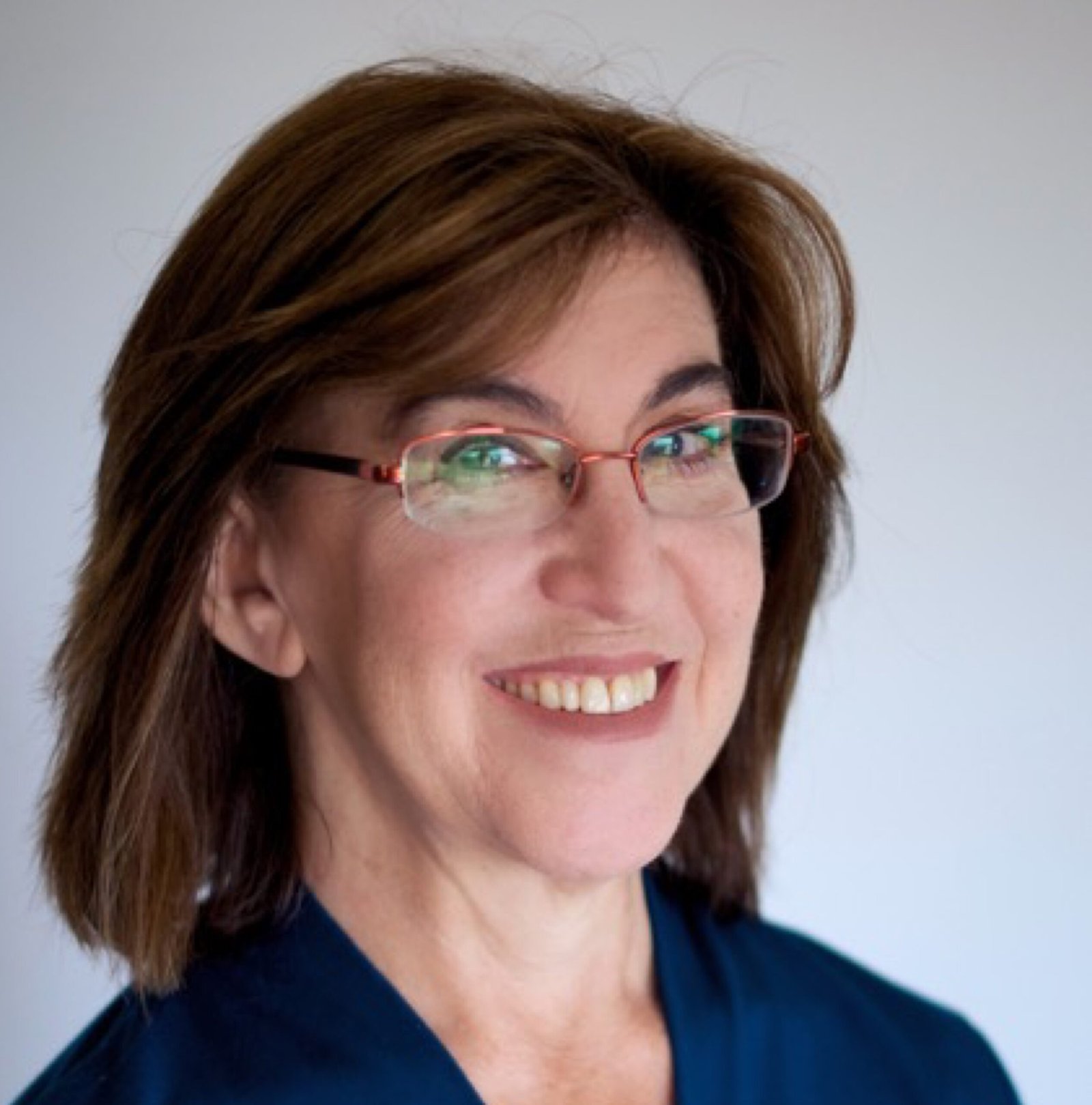
Pam Vestal is a professional genealogist and national speaker who got hooked on genealogy when her daughter grew curious about her wacky paternal ancestors. Years later, after a 20-year writing career, she decided to turn her focus to her longtime love of genealogy and became a professional. Since then, her articles have appeared in the National Genealogical Society Magazine and The Association of Professional Genealogists Quarterly, and her lectures take her from coast to coast. Pam specializes in conducting genealogical research and then transforming that information into illustrated stories that even non-genealogists can enjoy.
Return to Top
A Refuge of Last Resort: Researching Irish Workhouse Records (International Track)
Presented By: David Ryan on September 11, 2026 10:30 am
The infamous workhouse was the most-feared institution in Ireland, closely associated with the Great Famine of 1845 to 1852. To discourage overcrowding, conditions had to be perceived as inferior to what was available outside. Whatever grim reputation the English workhouses had; conditions were even worse in Ireland. This talk will look at the history of Irish workhouses and the surviving records, along with exploring the connections between workhouses and emigration during the period.
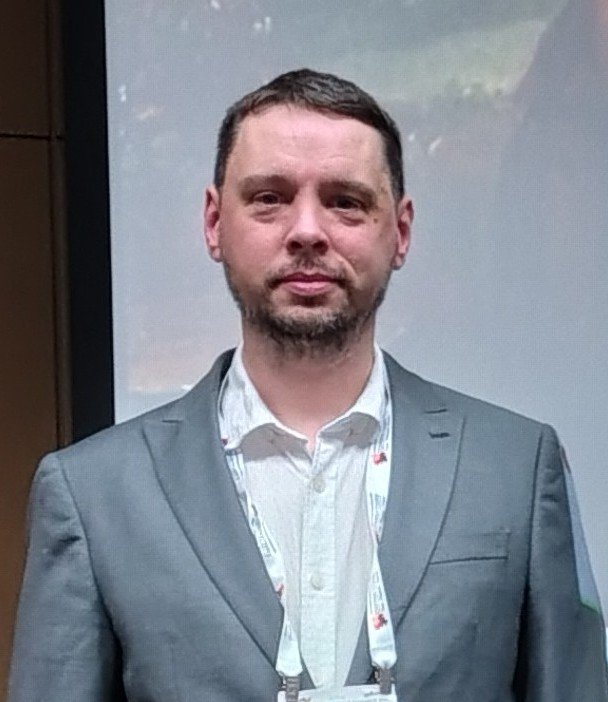
David Ryan is a professional genealogist and historical researcher based in Cork, Ireland. He has worked as a professional genealogist for the past eight years and is a member of the executive board for the Association of Professional Genealogists. He recently completed a Masters in Public History and Cultural Heritage with the University of Limerick.
Return to Top
Year by Year: Reconstructing Families with City Directories (Records Track)
Presented By: Kate Townsend on September 11, 2026 10:30 am
Participants will learn how to use city directories to trace ancestors year by year, enabling the creation of detailed timelines that reveal changes in occupation, address, and shifts in household composition. The session will also cover the use of modern digital collections on platforms such as Ancestry, MyHeritage, and FamilySearch, as well as strategies for accessing physical and microfilm directories in libraries and archives. Furthermore, the session will delve into how to utilize information throughout the contents of city directories to reveal additional resources on the lives of your ancestors.
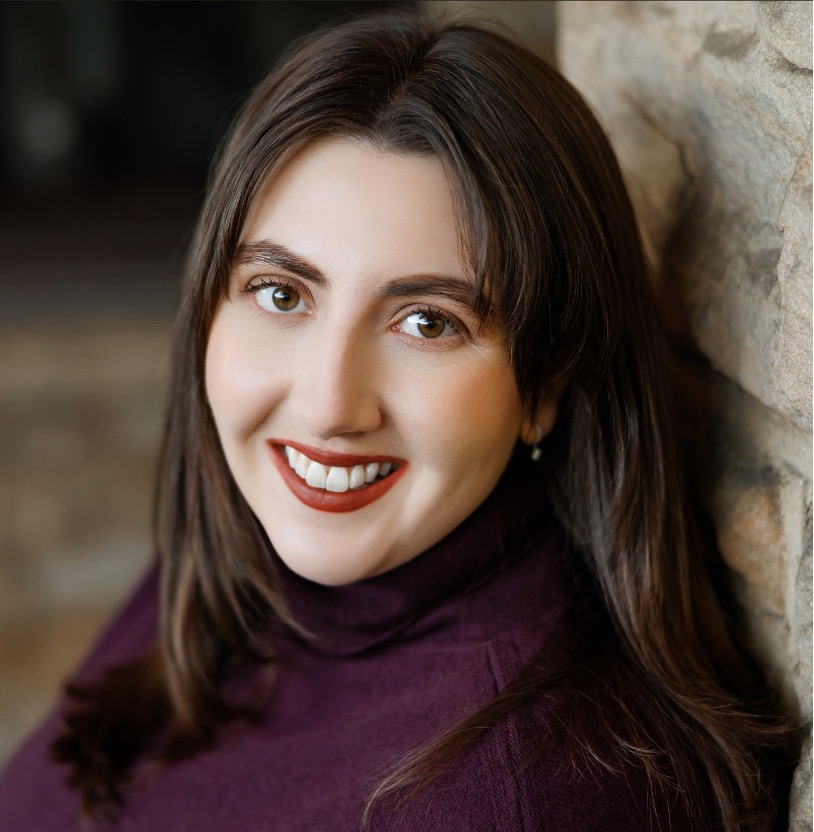
Kate is a former professional investigator turned genealogist who specializes in Pennsylvania research. She is the owner of Family History Investigations LLC, where she helps clients uncover, document, and understand their family stories. She has held the Certified Genealogist® credential since February 2024.
Kate is a frequent national and regional speaker, presenting for genealogical societies, libraries, and conferences, including the National Genealogical Society (NGS) Family History Conference, New England Regional Genealogical Consortium, Ohio Genealogical Society Conference, and RootsTech. She has served on the faculty and as co-course coordinator for the Genealogical Research Institute of Pittsburgh and has contributed research for the PBS television series Finding Your Roots.
Return to Top
Are You My Mother? DNA for Unknown Parentage (DNA Track)
Presented By: Kate Penney Howard on September 11, 2026 12:00 pm
Unknown parentage cases require a structured, evidence-based approach. This session presents a clear framework for using autosomal DNA to identify biological parents. Topics include clustering matches, building hypothesis trees, evaluating shared matches, and testing conclusions. Case studies demonstrate how to move from uncertainty to reliable identification.
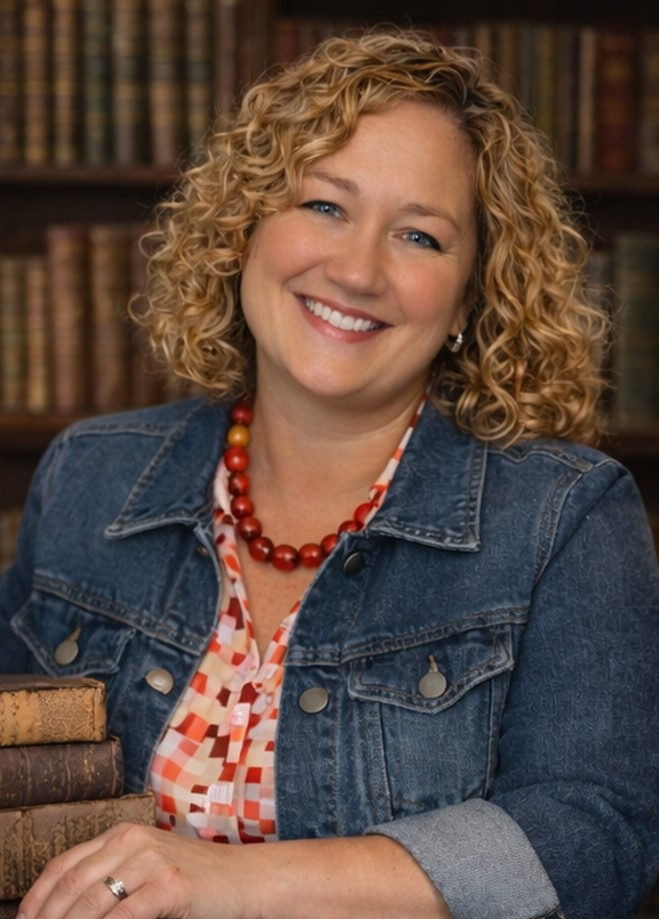
Kate Penney Howard is a professional genealogist, DNA specialist, and dynamic speaker who helps people untangle complex family history discoveries. Known for her engaging style and refreshingly clear explanations, Kate specializes in using DNA to break down brick walls and thrives on the kinds of research problems that don’t have easy answers.
She brings a rare blend of curiosity, rigor, and compassion to her work. Kate doesn’t just teach people how to find answers—she teaches them how to think. Her sessions help genealogists evaluate evidence, navigate conflicting information, and build conclusions that are both accurate and meaningful. Attendees leave with practical tools, sharper instincts, and a renewed sense of confidence in their research. Kate is also known for addressing the human side of genealogy. She creates space for the emotional realities of family history, especially when discoveries challenge long-held beliefs or uncover difficult truths. A frequent speaker at local, regional, and national conferences, Kate is the author of the forthcoming When Family History Hurts, exploring the ethical and emotional dimensions of genealogical research. Whether working with beginners or seasoned researchers, she invites audiences into the process of discovery with insight, honesty, and deep respect for the stories we carry.
Return to Top
COLD CASE: An Investigative Protocol for Genealogical Brick Walls (Records Track)
Presented By: Diane Henriks on September 11, 2026 12:00 pm
Every genealogist eventually encounters a stubborn brick wall—missing parents, conflicting evidence, or disappearing records. This session introduces a disciplined investigative protocol for re-evaluating stalled cases. Learn how to audit prior research, apply collateral and cluster research techniques, analyze community networks, and determine when DNA evidence can support documentary findings to develop stronger, defensible conclusions.
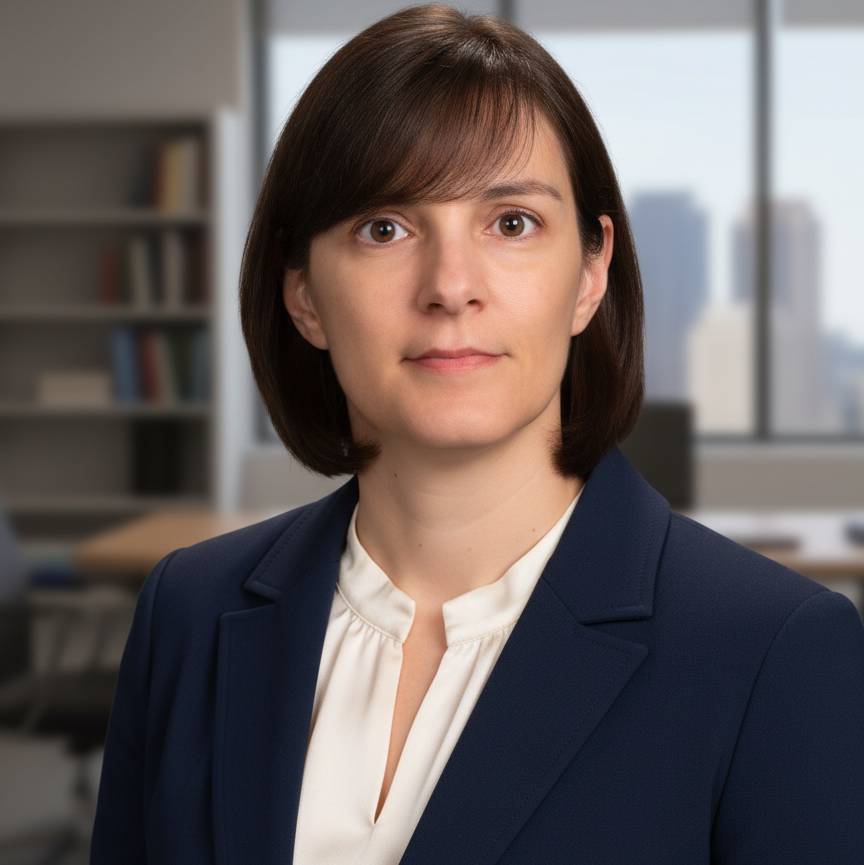
Diane Henriks, also known as the Descendant Detective and founder of Know Who Wears the Genes in Your Family, is a passionate and seasoned Los Angeles County-based professional genealogist, investigator, speaker, and author who specializes in descendancy and brick wall research, along with living people search and unknown parentage. Diane has worked closely with private investigators to find living people while also assisting in background investigations, in both civil and criminal cases. She is a proud member of the Association of Professional Genealogists, the Genealogical Speakers Guild, the Southern California Genealogical Society, and the Utah Genealogical Association. What started out as a small hobby well over a decade ago, when a hand-drawn family tree chart was given to her by her father, has since become a great obsession, and she now helps others discover and preserve who they are and where they come from!
Return to Top
Prisoner of War Camps in Utah during WWII (Military Track)
Presented By: Kathy Kirkpatrick on September 11, 2026 1:30 pm
The 14 POW camps for Germans, Italians, and Japanese) in Utah included 4 base camps, 2 hospitals, 5 branch camps, and 3 ISU camps. They housed a maximum of 10,823 German POWs (including Poles and those from other nations who were in the German Army) in 1945. 8162 Italian POWs in 1944, and 23 Japanese in 1944. There were 20 burials for German, 12 for Italian POWs, and 1 Japanese POW in one cemetery. Includes an overview of the 1210 POW camps across America. A variety of records and repositories are described in detail, including the National Archives detailed reports from the Army’s Provost Marshal General Office regarding POW camp populations and burials.
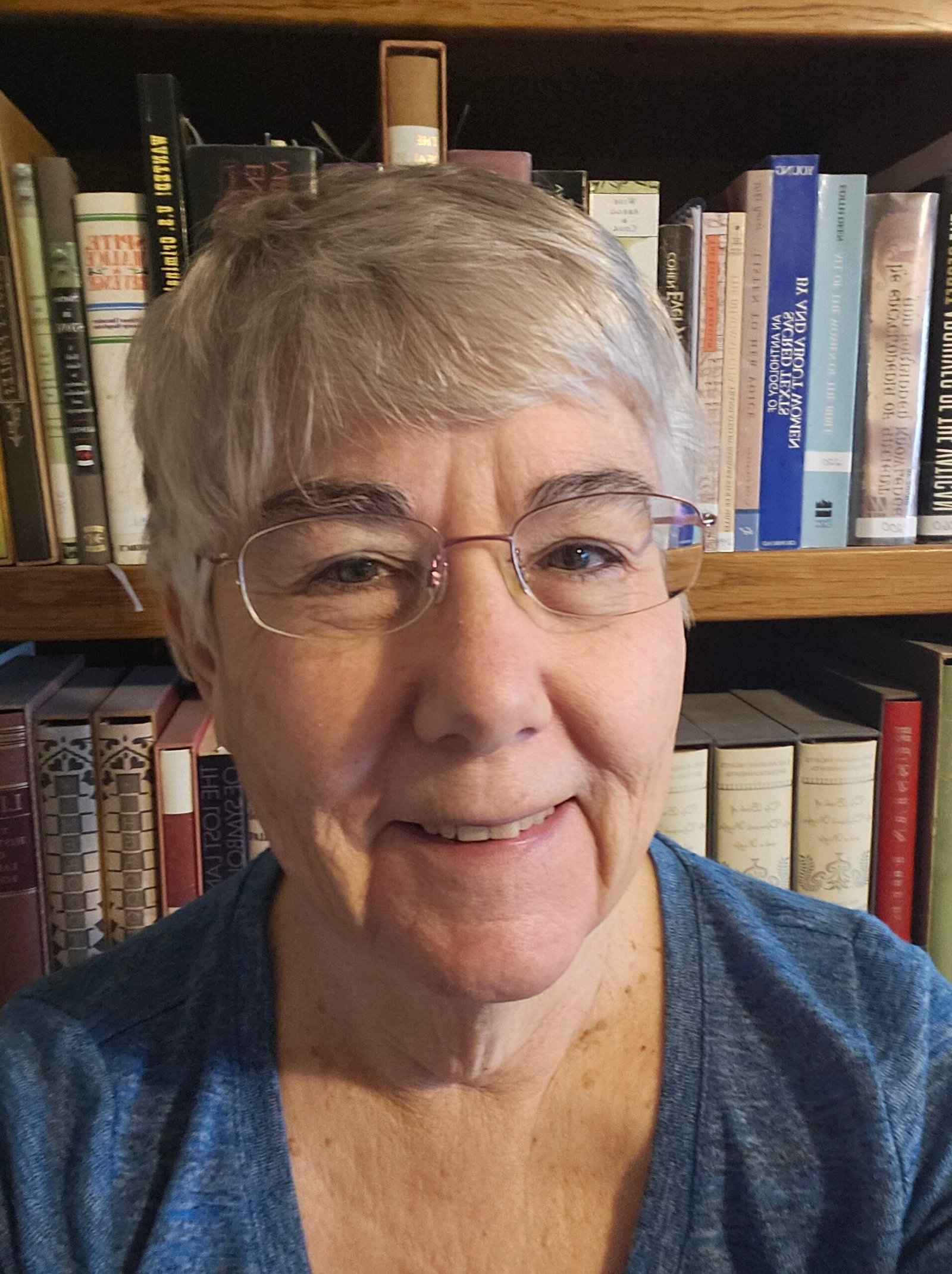
Kathy Kirkpatrick earned her B.A. in History from Humboldt State University at Arcata, California. She is secretary of the Jewish Genealogical Society of Utah. Kathy has written family histories, genealogical and Italian research instruction, and eight volumes on American Prisoner of War Camps since 1986. Kathy speaks locally and Internationally on a variety of topics since 1993, including at RootsTech, National Genealogical Society (NGS), the Foundation of Eastern European Family History Studies (FEEFHS), and the International Association of Jewish Genealogical Societies (IAJGS). Kathy’s research takes her on-site to Italy (including the Vatican Secret Archives since 2015), Sicily, Greece, the United Kingdom, and France as well as close to home in the FamilySearch Library in Salt Lake City. Her extensive websites are at www.gentracer.com for genealogy and www.gentracer.org for military research and cemeteries.
Return to Top
The Why, Where, When, What And How Of Lineage & Hereditary Societies (Records Track)
Presented By: Christine Cohen on September 11, 2026 1:30 pm
Have you ever thought of joining a Lineage or Hereditary Society? What is the purpose of the society? Who are they composed of? Where do you find them? How do you join them? Why would you join them? What activities or events do they perform? Do you need professional assistance to join them? Do you need an invitation? What free or member benefits are available? Are DNA test results a membership option or requirement?

Christine’s interest in genealogy began in 1977 with the airing of the TV mini-series “Roots”. Her enthusiasm was piqued when she was given a typed pedigree chart, commissioned by her maternal grandfather, of their Dutch heritage from the New Netherlands in the 1650’s. Christine is a native Californian, and a graduate of UCLA in Political Science. She has moved to Oregon for retirement and pursues her genealogy journey full time.
Christine is a long-time member of the Whittier Area Genealogical Society (WAGS) and currently is the Program Director. She is a member of the Tualatin Chapter of the DAR, the Society of Daughters of Holland Dames, APG and the Society Delegate for NGS.
Return to Top
Two Names, One Assumed Man: Untangling Identity in Post-Emancipation African American Research (Ethnic Track)
Presented By: Kelly Richardson on September 11, 2026 3:00 pm
Genealogy research in post-emancipation period often presents challenges of identity, particularly when individuals with different names are assumed to be the same person based on family lore or household composition. In African American research, these challenges are intensified by shifting family structures, inconsistent record keeping and over reliance on census data. This presentation examines a case study in which family tradition held that two men, Frank Rice and Bluford Rice, were one and the same. Although both appeared to be connected to the same family group, careful analysis of census records, military records, Freedman’s Bureau records, marriage registration, guardianship proceedings, and probate materials revealed they were separate individuals with distinct roles within the household. Attendees will learn how post-Civil War households can create false assumptions, how to recognize warning signs of merged identities involving different names, and how careful analysis can be used to separate individuals who have been incorrectly combined.
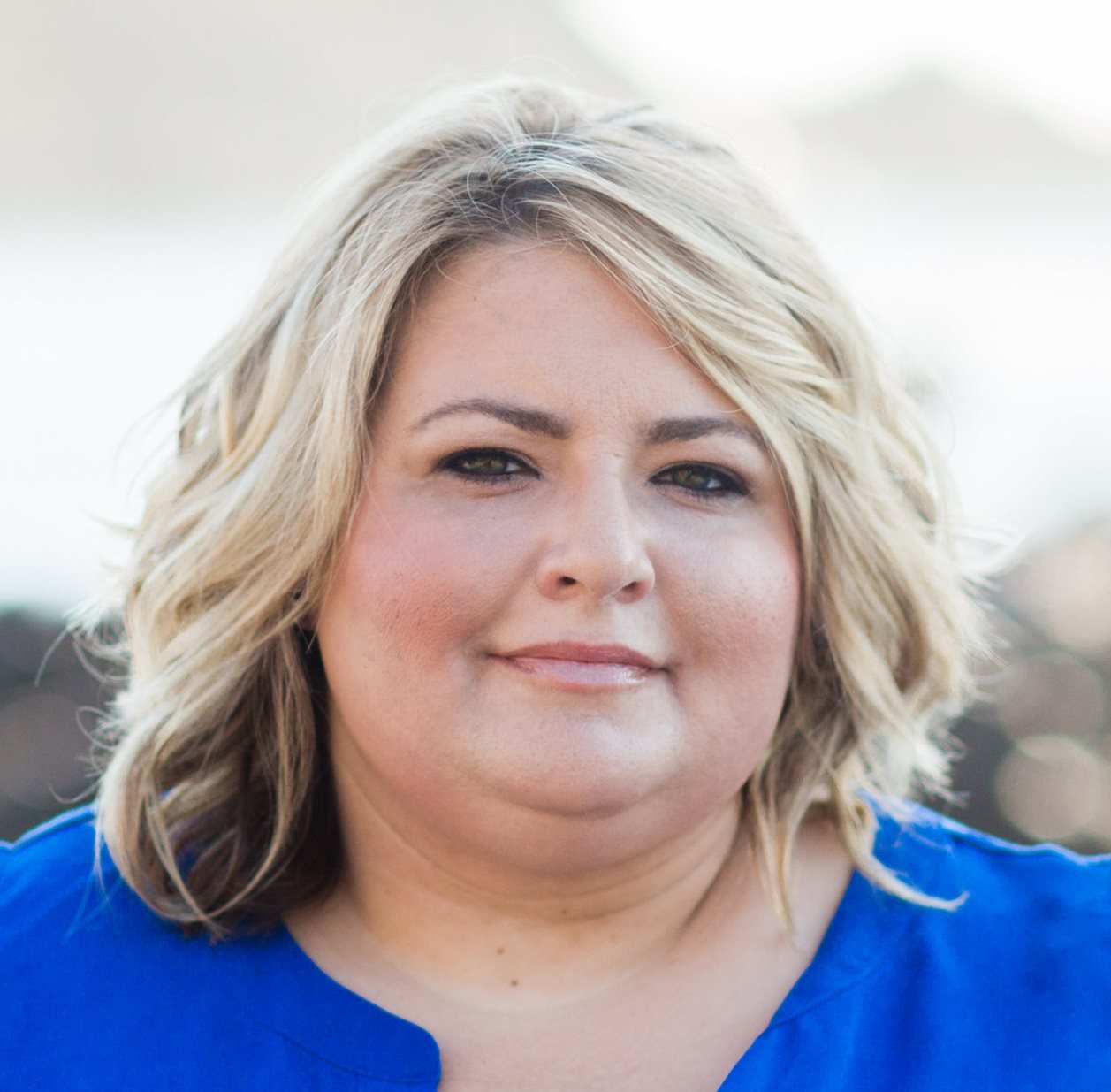
A professional genealogist with diverse research experience, Kelly Richardson earned her accreditation (AG) in 2023. She has focused her professional work supporting the U.S. Marine Corps, performing reconstructive cemetery research, and brings a background in strategic communications, emphasizing clear analysis, strong documentation, and accessible historical research.
Return to Top
The Records That Reveal Her: Dower, Taxes, Land & Law (Records Track)
Presented By: Larry W. Thomas on September 11, 2026 3:00 pm
Women often appear indirectly in historical records. This session examines how dower rights, tax lists, land transactions, court proceedings, and estate law reveal women’s identities, relationships, and economic roles. Participants learn to interpret legal context to uncover evidence frequently overlooked in traditional research.
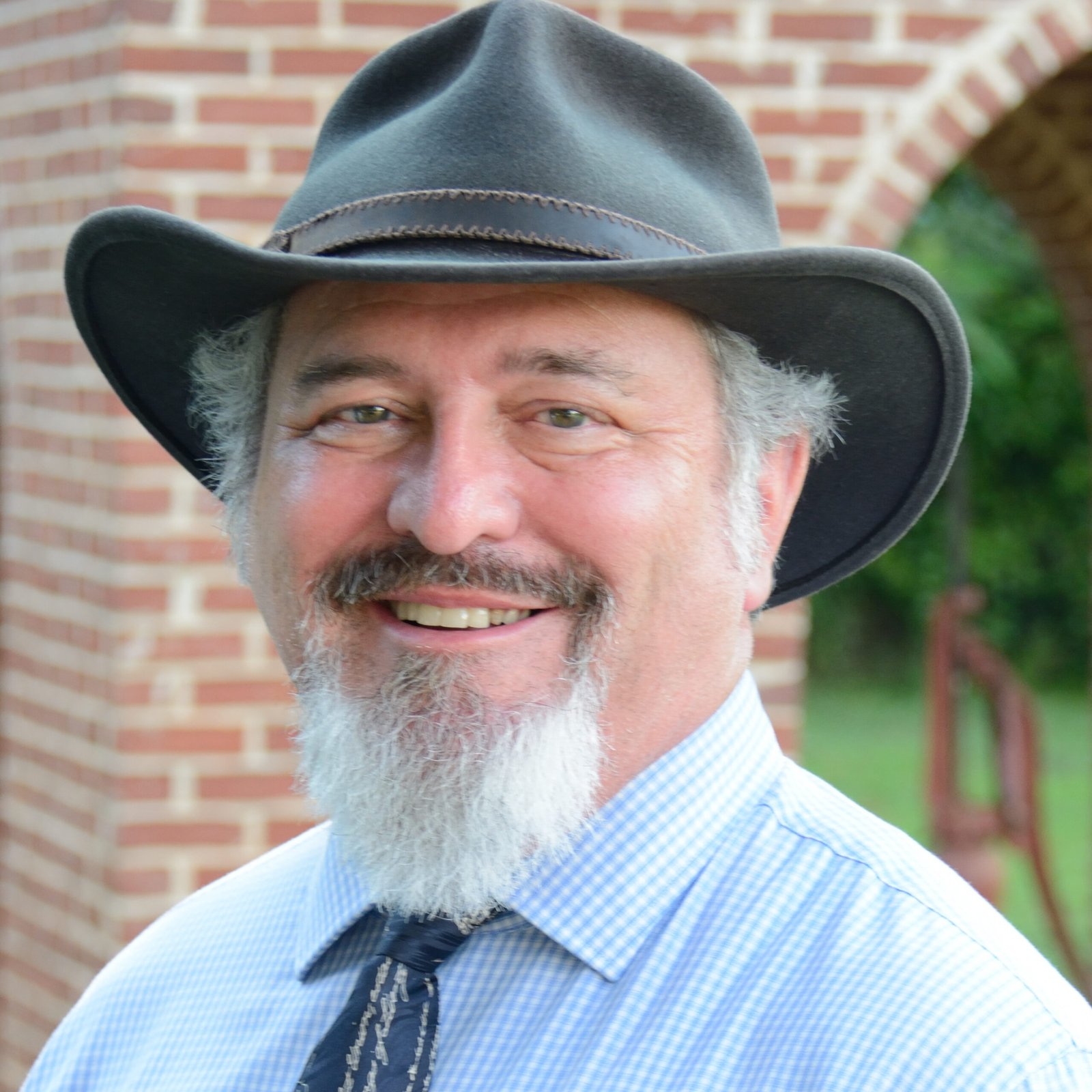
Larry W. Thomas is a professional genealogist and national speaker focused on research methodology, courthouse records, and structured proof arguments. A retired U.S. Army Captain with an MBA and PMP certification, he specializes in resolving complex lineage problems through disciplined analysis and practical application of the Genealogical Proof Standard.
Return to Top
Testing Family Legends: When Oral History Meets the Archive (Writing Track)
Presented By: Sue McNelly on September 12, 2026 9:00 am
Every family has a story. Maybe it’s about a relative who immigrated with nothing, a famous ancestor, an Indian princess, or a dramatic escape. Maybe, like the Craft family of California, it’s about three orphaned brothers who each took a stone from a riverbank and separated forever. This webinar teaches you what to do with that story: how to decompose it into testable claims, evaluate each against the record, and write a conclusion that honours both the legend and the evidence.
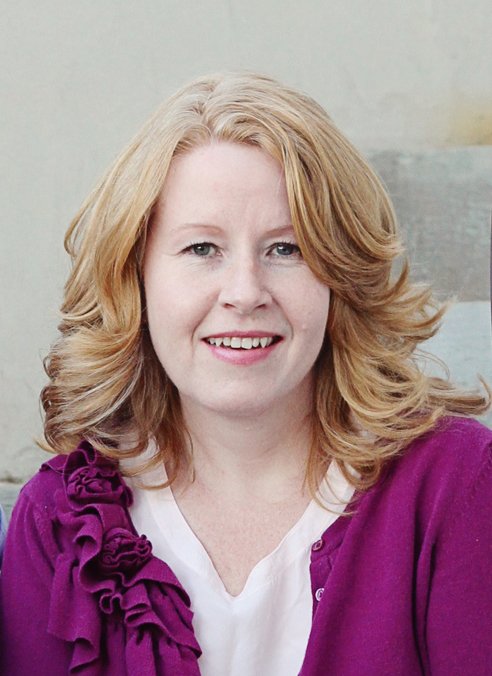
Sue McNelly, AG® is an ICAPGen Accredited Genealogist® specializing in England, and the founder of KindredPast, a professional genealogical research company established in 2016. With expertise spanning England, South Africa, the Isle of Man, Australia, and the U.S., Sue is known for placing ancestors in their geographic, historical, and cultural contexts — transforming names and dates into meaningful stories. She serves as Assistant Family History Program Director and Adjunct Instructor at Brigham Young University–Idaho, where she teaches genealogical writing. Sue also serves as Co-Leader and Mentor for the ICAPGen Winter Four-Generation Study Group, helping others prepare for accreditation. Sue is an experienced speaker, educator, and writer, having presented webinars, classes, and workshops for conferences and societies across the genealogical community. Her genealogical journey began over 20 years ago with a search for her own missing grandmother — a quest that still drives her passion for helping others discover where they come from.
Return to Top
Creating Your Own Genealogy Assistant – Building Custom Reusable GPT’s for Genealogy (Technology Track)
Presented By: Natalie Webb on September 12, 2026 9:00 am
Discover how to harness the power of AI by creating reusable GPTs for genealogy. This webinar will guide participants through building personalized AI assistants that will streamline their research. Learn how to set up GPTs to translate foreign records, manage spreadsheets, and even craft family stories. With step-by-step demonstrations and real genealogical examples, participants will leave with the skills to design GPTs that save time, reduce repetitive tasks, and enhance accuracy in their work.
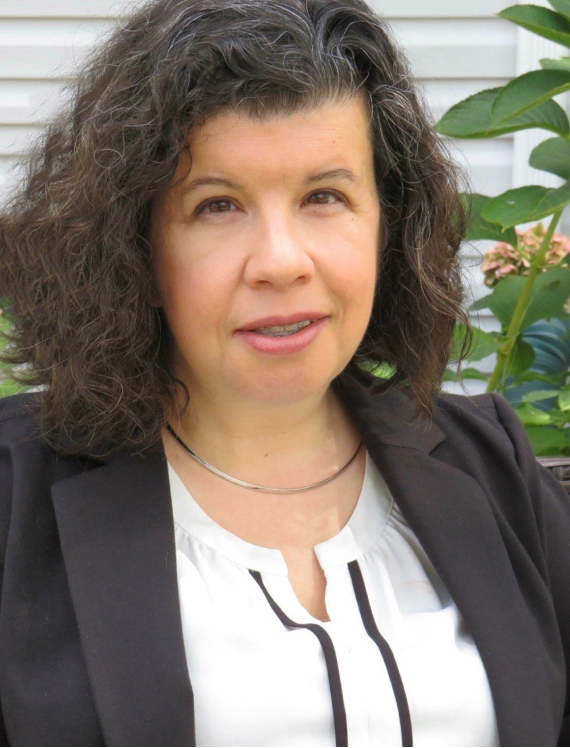
Natalie Webb lives where technology and genealogy meet—and she’s happiest helping people feel less intimidated by both. After spending 25 years as a project manager, technical trainer, and all-around problem solver, she realized something important: genealogists were being asked to master powerful digital tools, often without clear guidance or plain-language explanations.
Through her business, Family Tree Technology, she is on a mission to help genealogists make sense of online research platforms, data organization, and emerging tech without feeling overwhelmed. She brings a genealogist’s mindset to technology and a technologist’s structure to genealogy, translating complex ideas into practical, usable steps that fit real research workflows. Natalie writes, teaches, and speaks for genealogical audiences who want to build skills with confidence; whether that’s through webinars for societies and libraries, articles for genealogy websites, or hands-on demonstrations of new tools. Known for her friendly, down-to-earth approach, she believes technology should support good research, not get in the way. Natalie enjoys collaborating with organizations and publishers who share her goal of making modern genealogy more accessible, effective, and even a little fun.
Return to Top
From Cluttered to Command: Mastering Digital File Organization for Genealogists (Technology Track)
Presented By: Linda Debe on September 12, 2026 10:30 am
Is your digital workspace working for you or against you? This session tackles one of genealogy’s most overlooked challenges — digital chaos. Learn how to design logical folder structures, develop consistent file naming conventions, and process downloads before they pile up. From tagging files with meaningful metadata to mastering search and retrieval, you’ll walk away with a streamlined system that keeps your research organized, accessible, and protected — so finding any document takes seconds, not hours.
Linda Debe is a genealogical lecturer, writer, and perpetual student whose four decades of research experience have made her one of the most sought-after voices in the field. Affectionately known as the Sleepless Genealogist — a moniker that perfectly captures her relentless passion — she brings equal parts expertise, humor, and innovation to everything she does. Linda’s specialties lie where few genealogists dare to venture: the intersection of maps, deeds, and technology. A Microsoft Office Certified professional in both Access and Excel, she has built a reputation for transforming chaotic research into elegant, data-driven systems. Her guiding philosophy — work smarter, not harder — isn’t just a motto; it’s a methodology she teaches to researchers across North America.
Her academic credentials are as distinctive as her background. She holds an AAS in Electronics Technology from the United States Air Force, is an alumna of the prestigious ProGen 54 program, and anticipates completing her certificate from the International Institute for Genealogical Studies in 2026.
Linda serves as Program Chair for the North Hills Genealogists in Pittsburgh and leads Technology Special Interest Groups for both North Hills and the Genealogical Society of Pennsylvania. Her lecture stage spans continents — from RootsTech 2021 and 2026 to PaGE 2026, the UGA Summit of Excellence on Native American Rolls, and Georgia’s inaugural State Archives Native American Symposium. She has served as course coordinator with the Applied Genealogy Institute and guest lecturer for IGHR’s celebrated Course 4. Linda Debe doesn’t just research family trees — she reimagines how the work gets done
Return to Top
What the Law Put Asunder: Divorce in Americas (Records Track)
Presented By: Sara Cochran on September 12, 2026 10:30 am
Historically, divorce in the United States was rare, but not unheard of. This class considers changing laws and social attitudes as they relate to marriage and divorce, how those laws and attitudes affect our research and the records, and provides tips for determining if there was a divorce and accessing those records.
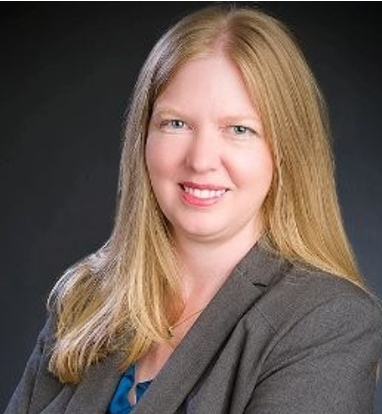
Sara is a full-time professional genealogist with over thirty years of research experience. Her research has taken her to nearly every state in the USA and Ireland. She especially enjoys breaking down brick walls, discovering the stories of black sheep ancestors, and helping individuals preserve their photographic legacy. Sara holds a Boston University Genealogical Research Certificate, a Bachelor’s Degree in Library Science, and is an alum of the ProGen Study Group. She is a member of DAR and other lineage societies, the Association of Professional Genealogists, and the Genealogical Speakers Guild. You can find her online at TheSkeletonWhisperer.com.
Return to Top
Sharing Your Family with Your Family (Writing Track)
Presented By: Allyson Maughan on September 12, 2026 12:00 pm
After a year of work, notes, and research logs, you are done with your genealogy work. You excitedly share your findings with your family. Amazingly they don’t seem interested in reading the thirty-page report, nor reviewing eighty-pages of research notes. This presentation will teach you to transform your transcriptions, research logs, and reports into family-friendly blogs, stories, power points, and poems that all the family can enjoy.
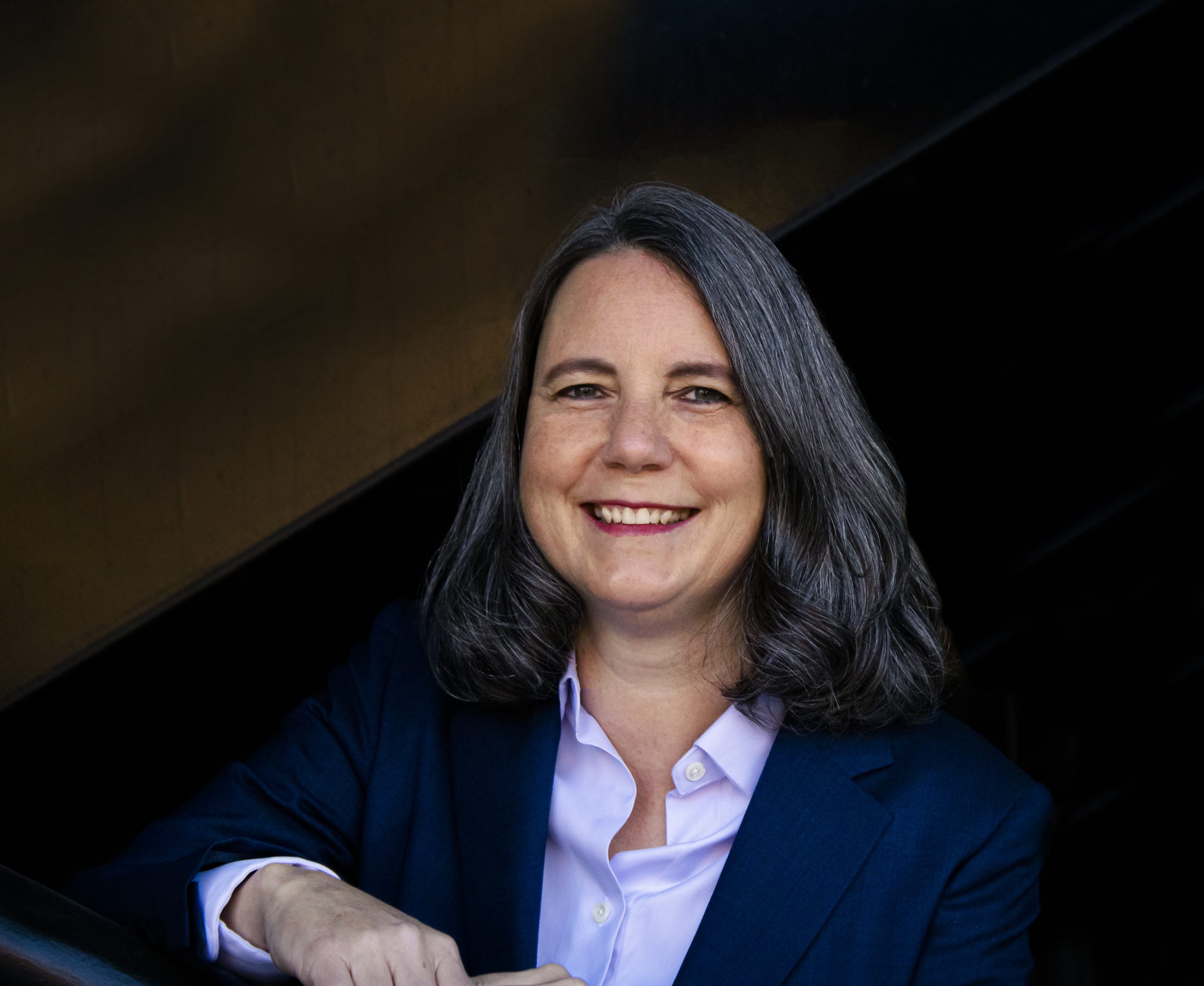
Allyson is an Accredited Genealogist and a professional speaker, writer, and consultant. She specializes in photographic record sets, genealogical methodology, and family history writing. She speaks for groups ranging from international to local including Salt Lake Institute for Genealogy and RootsTech. Her writing has been featured in Crossroads Magazine where she shares her ancestors’ lives in the West. A member of the Utah Genealogical Association board, she helps with the magazine and ProTalk webinar content. Find her work and resources on her website rememberingrelatives.weebly.com. Before her genealogy career, she taught high school foreign languages and history. She is moving to San Antonio, Texas in June 2026.
Return to Top
Norwegian Farm Books: A Genealogical Gold Mine (International Track)
Presented By: Torhild Shirley on September 12, 2026 12:00 pm
Learn how to effectively use Norwegian farm books (bygdebøker) to identify families, trace farm histories, and place ancestors in their historical context. This session explains what these books contain, where to find them, and how to evaluate their reliability. Through examples and practical tips, participants will gain confidence in using farm books as valuable tools while understanding the importance of verifying the information they provide.
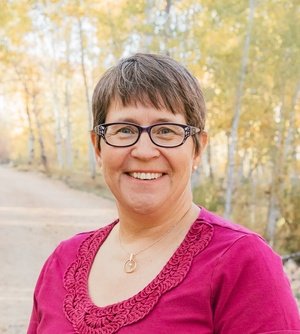
Torhild Shirley is a presenter, translator, and Accredited Genealogist® professional specializing in Scandinavian research. A native of Norway, she is comfortable with the Scandinavian languages and conducts research across all Scandinavian countries, whether tracing ancestry, locating ancestral farms, or finding living relatives. She is the owner of Scandinavianfamily.com.
Torhild holds an Associate of Arts in Family History from Brigham Young University Idaho (BYU-I) and an Associate of Arts in Technical Translation from the University of Agder (formerly Agder College, Norway). Currently, Torhild serves as a commissioner and study group coordinator for the International Commission for the Accreditation of Professional Genealogists (ICAPGenSM). She leads ICAPGen study groups and mentors genealogists preparing for accreditation.
Return to Top
DNA Analysis Co-Pilot: Using AI to Group Matches and Test Hypotheses (DNA Track)
Presented By: Carol Genung on September 12, 2026 1:30 pm
Feeling overwhelmed by massive DNA match lists? Move beyond basic scrolling by implementing a practical workflow that uses AI as a research assistant to organize and categorize shared matches and interpret relationship possibilities. We will demonstrate how to combine traditional genetic genealogy methodology with AI-driven logic checks to draft relationship hypotheses faster. Learn to bridge the gap between DNA data and documentary research, turning scattered clues into focused next steps and breaking through stubborn genealogical brick walls.
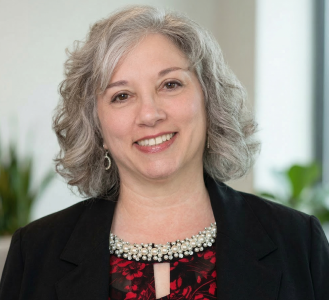
Carol Genung is a professional genealogist and speaker with more than a decade of experience helping individuals research, explore, and preserve their family histories. Her expertise spans complex family history research, genetic genealogy, and the intricate requirements of lineage society applications.
As a sought-after speaker, Carol delivers engaging, tech-forward presentations on genealogy, DNA, and software at local, regional, and national levels. Her educational foundation is distinguished by a Certificate in Genealogical Research from Boston University and her status as a graduate of the 18-month ProGen Study Program. To maintain the highest professional standards, Carol has also completed multiple advanced institute courses, further strengthening her expertise in both traditional methodology and the rapidly advancing tools and methodologies of genetic genealogy. Drawing on an extensive background in information technology, Carol combines strong project management and organizational skills with a deep mastery of digital tools. This technical lens allows her to translate complex research methods into clear, actionable strategies for her audience. Helping others discover their family stories and connect with their heritage continues to inspire Carol’s work. Whether through comprehensive research, DNA analysis, coaching, or presentations, her goal is to make genealogy approachable, accurate, and meaningful for every researcher.
Return to Top
The Envelope Please: Finding Family in the Post (Records Track)
Presented By: Jean Wilcox Hibben on September 12, 2026 1:30 pm
Dating an ancestor’s events, residences, names (and nicknames) can be made easier by using the information both inside and outside of the envelope. Sometimes clues will take a researcher to census schedules, city directories, newspaper articles, and more. And it’s not just the correspondence from family, but letters from companies, government, friends, and more. Learn some of the tricks to locate family by employing their correspondence.
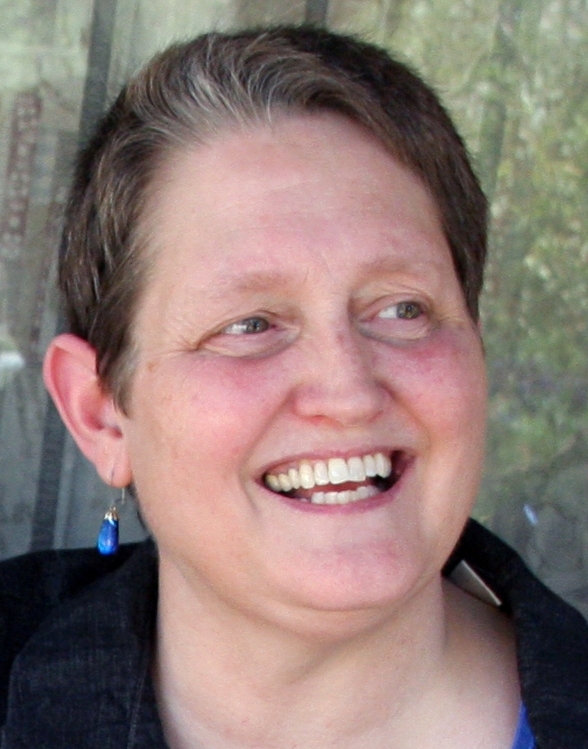
Jean Wilcox Hibben; PhD, MA, former Southern California college speech professor (MA – Speech Communication; PhD – Folklore), musician, and folklorist, is a national speaker and author. A member of the DAR, she has worked on background research for two genealogy television programs (2013 & 2015), and hosted podcasts on social history as part of Genealogy Journeys® (2015-2021). A former Board-Certified genealogist (2006-2016) with over 40 years of genealogy research experience, she served on the Assoc. of Professional Genealogists board (2012-2014) and is past president of its Southern California Chapter (3 separate times for a total of 8 years); current 1st VP and webmaster of the Corona Genealogical Society; and participant on other society boards. Jean is associated with the Corona, California FamilySearch (formerly Family History) Center, where she served as the director for 3 years and staff trainer before and after; and was on the volunteer staff of the Pacific Region, Riverside County, California National Archives for 2 years. Currently, Jean writes the “Aunty Jeff” column for The Informer, newsletter of the Jefferson County NY Genealogical Society.
Jean’s philosophy is that “who we are is a compilation of our experiences and associations as well as our biological connections. When we understand our ancestors, we can better understand ourselves. By doing this, we have a better chance of completing our family circles.” This connects to her mission statement: “My goal is to assist others in their efforts to connect generations (past to present), completing the family circle.” Her website: circlemending.org
Return to Top
Reconstructing the WWI American Soldier’s World: Genealogy Meets The Great War (Military Track)
Presented By: Edward Swierczewski on September 12, 2026 3:00 pm
World War I reshaped families, communities, and the nation. Yet many genealogists stop at the basics, draft cards, enlistment papers, or service summaries, without fully exploring the world their ancestors experienced. This session shows how to reconstruct the lives of American soldiers in the Great War. Engagement techniques include an illustrated case study, visual walk-throughs of soldier’s maps and unit movements, and reflection questions. These techniques make history tangible while equipping attendees with practical research strategies.
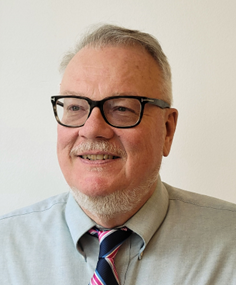
Ed has been a genealogist and a professional educator for over 30 years, researching and lecturing in Psychology and Human Services at several major universities and government agencies in New York City. He considers empathy an essential quality for genealogists. He has completed multiple courses from GRIP and SLIG, and is a ProGen alum. He founded Integrative Genealogy LLC and serves as the Chief Genealogical Officer. He is an award-winning genealogical writer and a Laura G. Prescott SLIG Scholarship recipient, and has presented genealogy webinars locally and nationally, at venues both live and virtual, including in-person at RootsTech 2023 in Salt Lake City; recently he has been focusing on the intersection of AI and genealogy. He possesses a deep passion for sharing his knowledge with others, and a commitment to life-long learning.
Return to Top
Grounded in History: Putting Ancestors in Place with U.S. Land Records (Records Track)
Presented By: Amy Rose Ward on September 12, 2026 3:00 pm
Land records are often the missing link to better understand where your ancestors lived. This webinar tackles the challenge of connecting people to specific places. Come learn how to use deeds, grants, and surveys to trace families across New England, the Atlantic states, and the Midwest. You will be better equipped to follow your ancestors’ paths and place them meaningfully in the context of American history.
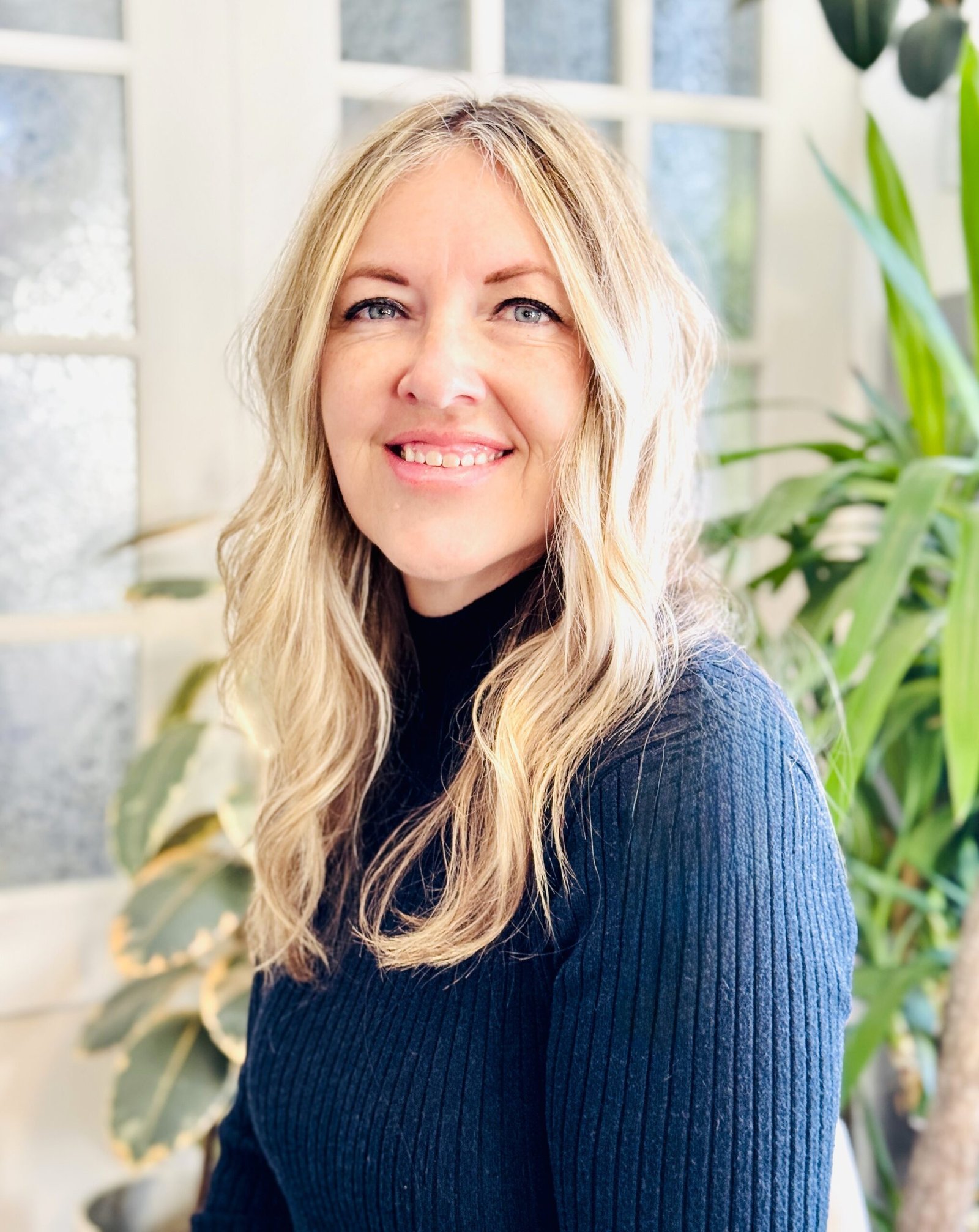
Amy Rose Ward completed her Masters in Genealogical Studies from University of Strathclyde in 2022. She has worked in the FamilySearch library in Salt Lake City as a research specialist on the VIP Hosting team and currently works as an instructor for BYU Pathway in the Family History department. Amy presents webinars on a variety of topics, and has written for Crossroads Magazine. She enjoys doing client research and is especially passionate about writing family narratives. She serves on the Utah Genealogical Association board. Amy is the president and founder of her community’s orchestra in Morgan, Utah where she plays violin and viola. She loves hiking, biking, and skiing in the beautiful Utah mountains. Amy and her husband, Jeff, have five children.
Return to Top
September 10th is a Free Getting Started Day!
On September 11th-12th, we will have two daily tracks with exciting classes!
This listing is for the full conference. Looking for the free Getting Started Day? Click here.